
Patient support programs today use more channels than ever, including phone, SMS, fax, portal, and digital, yet patients still receive repeated outreach, conflicting guidance, and unclear next steps. The problem isn’t a lack of investment. It’s that the industry has been solving for channels rather than coordination. When hubs, specialty pharmacies, case tools, and partner ecosystems don’t operate from a shared view of the patient journey, omnichannel quickly becomes “more touches” with less progress.
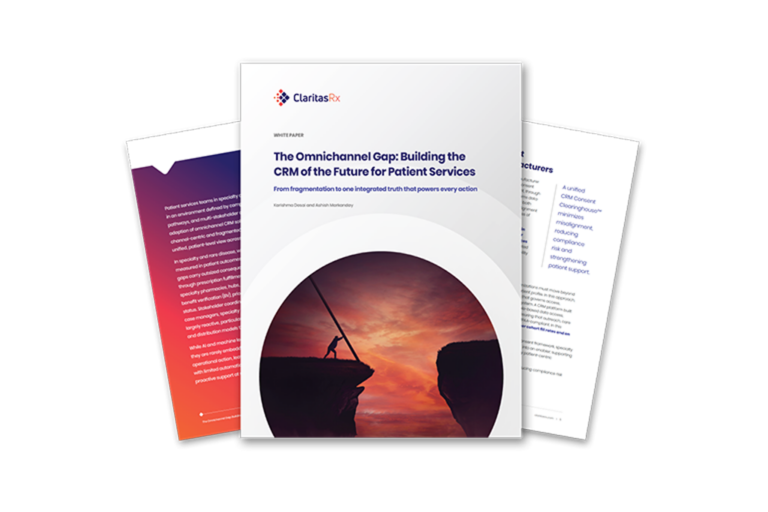
This Everest Group white paper, presented by Claritas Rx, explains why omnichannel breaks in patient services today and what it actually takes to fix it.
What You’ll Learn:
- Why adding channels without fixing underlying data, workflow, and consent gaps creates noise, not progress
- What “good omnichannel” looks like in 2026: coordinated, context-aware journeys rather than channel expansion or message volume
- How a data-first foundation with shared journey visibility, unified patient identity, and consent governance makes orchestration possible
- How next-best action and AI-assisted decisioning shift patient services from broad outreach to need-based support, protecting capacity and improving time-to-therapy, persistence, and patient trust